

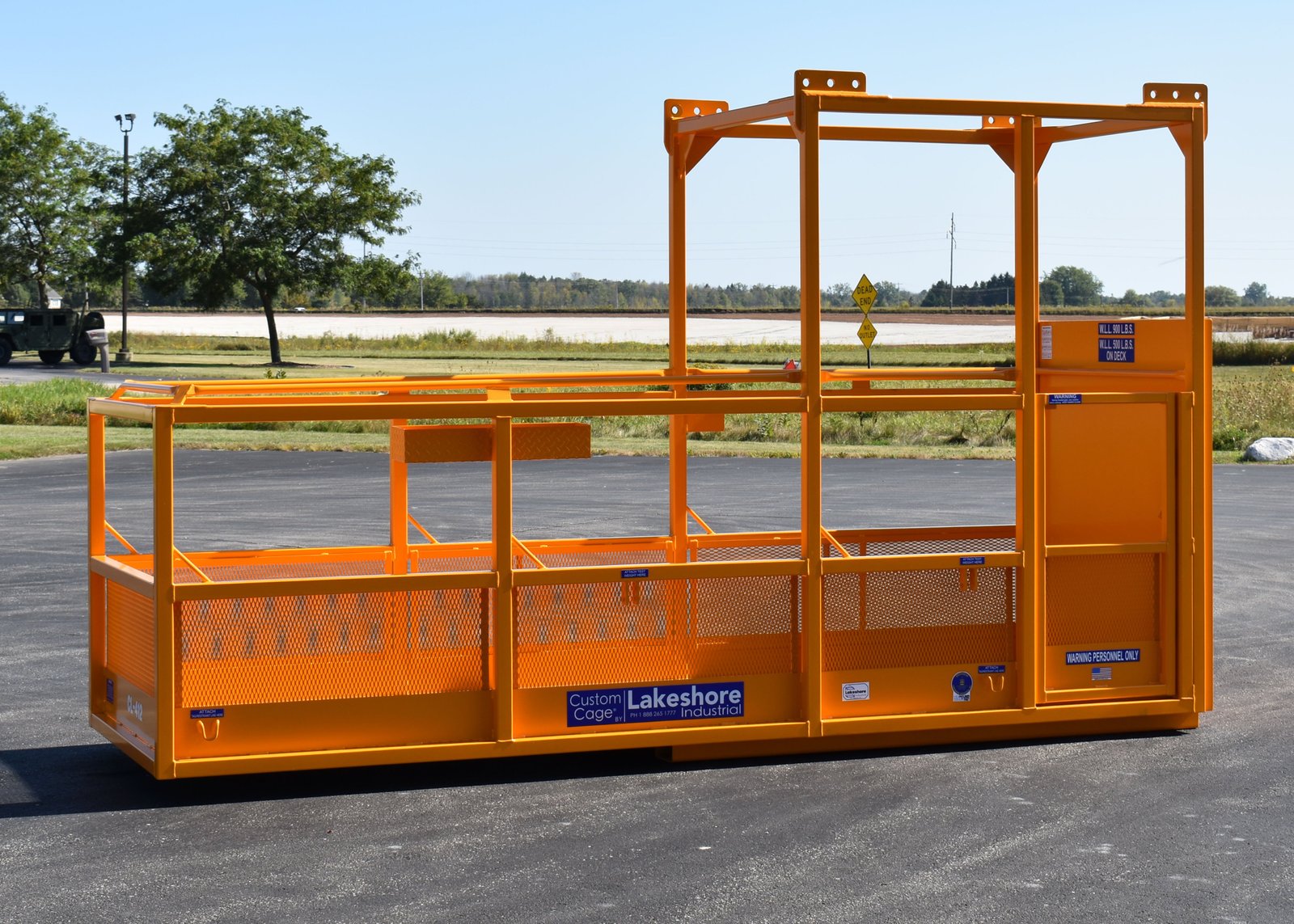
Standard access equipment is used on most job sites because it is familiar and readily available. Ladders, scaffolding, and off-the-shelf industrial work platforms cover a wide range of tasks and work well in many settings.
Challenges appear when the work location, layout, or task requirements fall outside those general use cases. Some temporary workarounds may offer short-term solutions, but they require frequent adjustments that slow down work and complicate daily operations.
Custom work platforms overcome the limitations of standard options. Rather than adapting the job to fit the equipment, the platform is designed to fit the job. Crews can maintain consistent access, limit interruptions, and make better use of the space available.
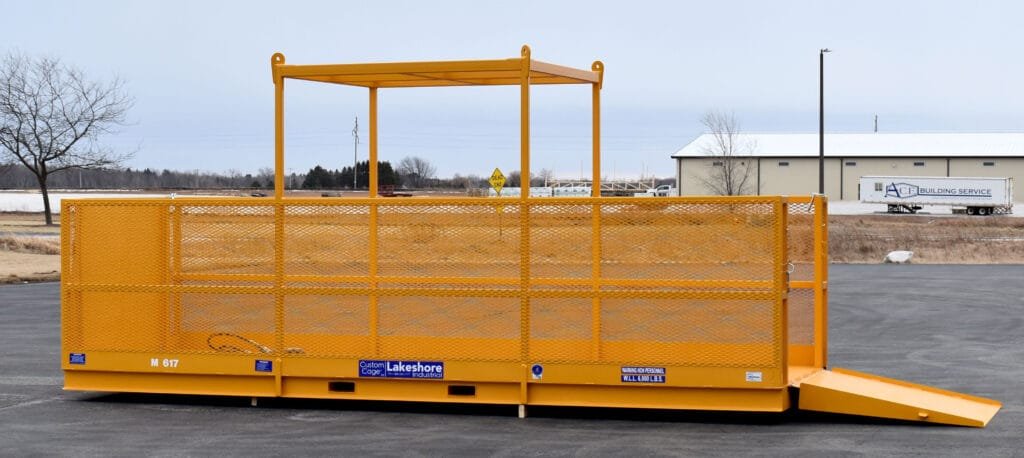
The Impact of Custom Engineered Work Platforms on Operations
When access equipment is made to match the task location and site conditions, crews spend less time adjusting their setup during the workday. When industrial access platforms fit the work being performed, operations can see significant improvements:
Improved Productivity and Job Site Efficiency
Reducing Repositioning and Setup Changes
On complex sites, the “one-size-fits-all” nature of standard industrial work platforms often forces crews into a cycle of constant repositioning. For example, if a technician is servicing a long row of overhead valves using a standard square platform, they must climb down, unlock the casters, and reposition the unit every few feet to stay within reach of the work.
This inadvertently creates downtime where the actual task is stopped to adjust the equipment. A custom-engineered platform solves this by spanning the entire length of the work area or contouring to the machinery. With this, the worker can move fluidly from point to point without ever stepping off the deck or pausing for a setup change.
Providing Consistent Working Height
When a platform places a worker slightly above or below the task, they have to make constant adjustments. A technician may reach overhead for part of the job, then crouch or lean forward to complete the next step, depending on how the platform lines up with the equipment. Over time, this affects precision and contributes to fatigue.
A work platform can be engineered to reach the deck at the correct working height from the start. With the task positioned at a natural reach level, workers can maintain their natural posture as they move along the platform. This allows them to focus on the work instead of compensating for poor access, which in turn supports job site productivity and efficiency.
Supporting Tool and Material Access
Standard platforms often leave workers with limited space for tools. When they need additional equipment, they have to climb down or rely on someone below to hand tools up. This constant back-and-forth interrupts the task and extends the time required to complete routine work.
A custom platform can incorporate trays and designated areas for commonly used tools. By keeping equipment within reach, workers can continue the task without stepping off the platform or stopping to manage tools.
Making Better Use of Job Site Space
On many industrial job sites, crews work within fixed layouts that leave little room for industrial access platforms. When a platform does not fit the space, workers must reposition equipment, block nearby areas, or pause surrounding work to create sufficient clearance.
Platforms Designed Around Fixed Obstacles
Facilities often include piping, conveyors, machinery, or structural supports that limit where a platform can sit. When crews use standard platforms in these environments, they frequently have to work around obstructions or adjust their position to stay within reach of the task.
These conditions are accounted for during the design of custom work platforms. Cantilevered sections, wrap-around layouts, or offset access points allow workers to reach the task location directly. This lets them perform the work without relocating equipment or altering the surrounding structure.
Limiting Disruptions to Operations
Access equipment can affect more than the task at height. For instance, when a forklift work platform extends into walkways or production areas, crews may need to reroute traffic or pause nearby operations.
Industrial work platforms designed for a specific location help prevent this. By fitting within the existing layout, they allow workers to perform elevated tasks while surrounding operations continue with minimal disruption.
Stability and Access
When workers feel unstable at height, they slow down and adjust their movements to maintain balance. And when access points are awkward or non-intuitive, workers are forced to navigate the equipment rather than focus on the task.
Custom-engineered platforms address this by providing a stable, predictable workspace that mirrors the geometry of the specific job.
Intuitive Entry and Exit Points
A custom-engineered platform places entry and exit points where workers need them. Gates, ladders, or access openings align with the work area, allowing workers to step onto the platform and begin work without unnecessary repositioning.
Secure Standing Surface
Workers can’t focus on the task at hand if they’re focused on not losing their balance. They might constantly adjust their stance or slow their movements to maintain their footing, especially during tasks that require reaching or the use of heavy tools.
A custom platform provides a stable standing surface designed for the task and load. With a secure surface beneath them, workers can move deliberately along the platform and maintain focus on the work instead of compensating for instability.
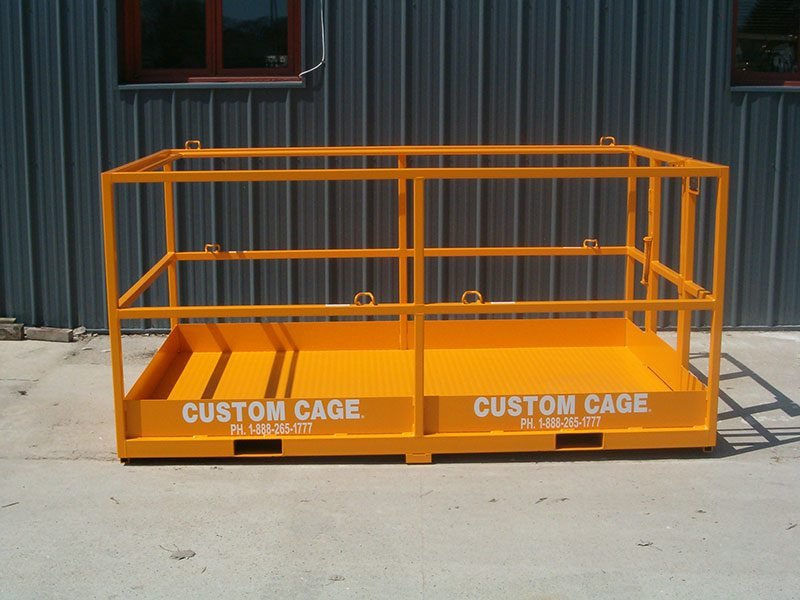
Application Across Industrial Environments
Custom-engineered platforms are utilized in various industrial settings where standard access solutions do not meet site-specific conditions.
- Manufacturing and Assembly Facilities: Manufacturing environments often require repeated access to fixed equipment. Custom platforms can be designed for consistent use at specific machines, reducing setup time between tasks.
- Maintenance and Retrofit Work: Many facilities were not designed with access in mind. Platforms built to fit around installed systems provide access without requiring structural changes or equipment removal.
- Heavy Equipment and Industrial Systems: Customized platforms can help reach engines, turbines, or large mechanical systems. This allows maintenance work to proceed without disassembly of surrounding components.
What “Custom-Engineered” Means in Practice
A custom-engineered work platform is designed around the conditions of a specific job site rather than a generalized application. The engineering process focuses on how the platform will be used, where it will be placed, and what demands it will need to support during regular operation.
Site Measurements and Task Review
Design begins with a review of the work area and task requirements. Measurements account for working height, surrounding obstructions, and available floor space. Fixed elements such as piping, conduit, machinery, and structural members are considered early to ensure the platform fits the environment without requiring changes to the site.
Floor conditions are also reviewed. Slope, surface material, and load-bearing capacity influence how the platform is supported and positioned.
Material Selection Based on Use
Material choice depends on application and frequency of use. Aluminum is commonly selected for industrial access platforms that need to be moved or repositioned. Steel is often used for applications involving heavier loads or permanent placement.
Environmental exposure also affects material selection. Platforms used in damp, corrosive, or wash-down environments may require specific materials or finishes to maintain performance over time.
Compliance Considerations
Custom platforms are designed to meet applicable OSHA and ANSI requirements before fabrication begins. Load ratings, guardrail heights, access points, and anchorage locations are defined as part of the design process.
Engineering documentation and load information provide a reference for inspection and maintenance once the platform is in service.
Evaluating Operational Value Over Time
The value of a custom-engineered platform becomes clearer with continued use. Platforms designed for specific tasks reduce reliance on temporary access solutions and repeated adjustments.
Custom platforms also support consistent working conditions, which can reduce wear on both equipment and workers. Over time, platforms built for ongoing use provide a stable access solution without frequent replacement.
Custom Work Platforms Built for Your Job Site
Lakeshore Industrial designs and manufactures engineered work platforms for industrial and construction environments. Our engineered access solutions are OSHA-certified, which is why they are recommended by both OSHA and safety officials worldwide.
Contact us to learn more about our engineered access solutions and how they can support your job site.