Lakeshore

Crane Basket vs. Forklift Platform: Which Is Right for Your Job Site?

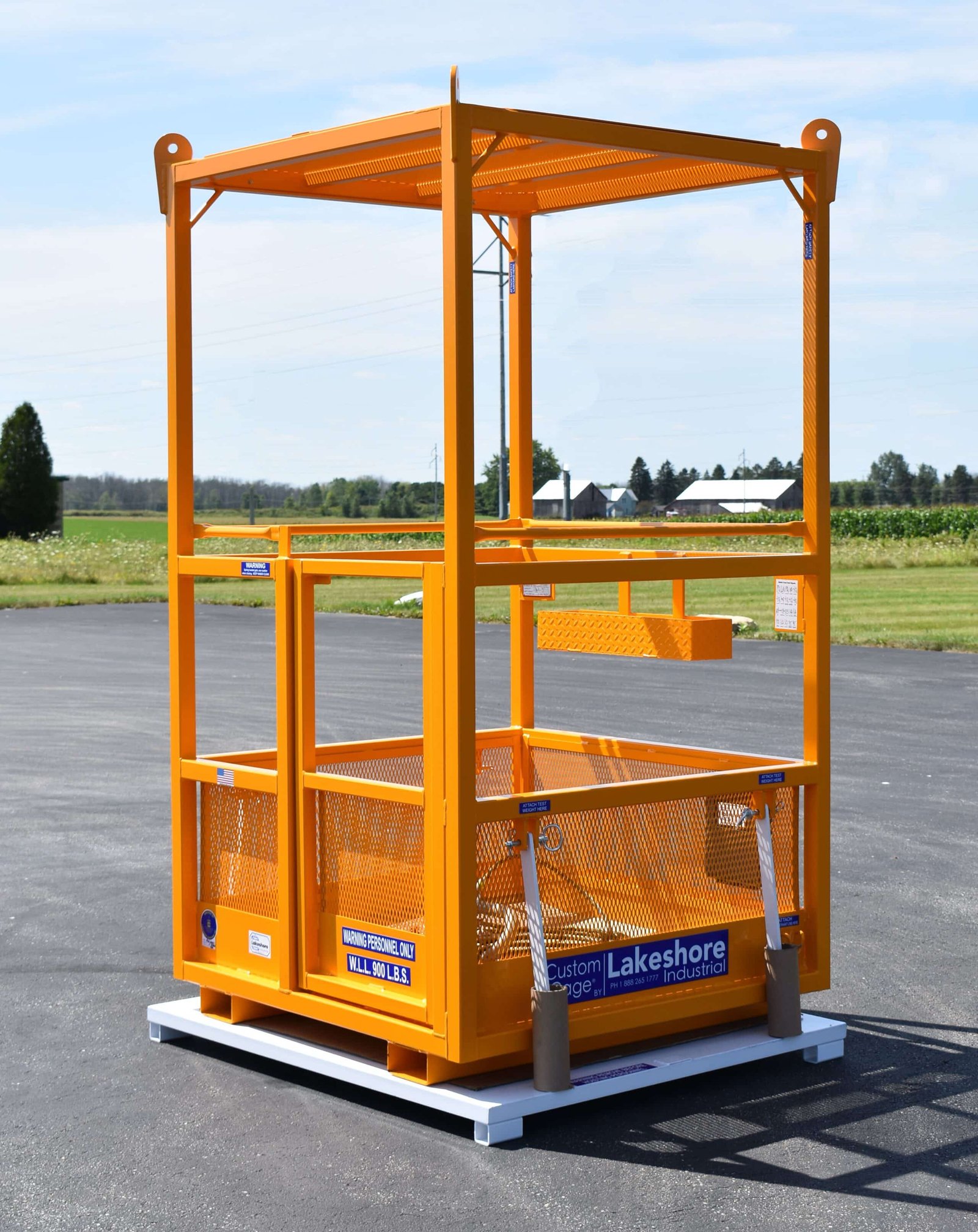
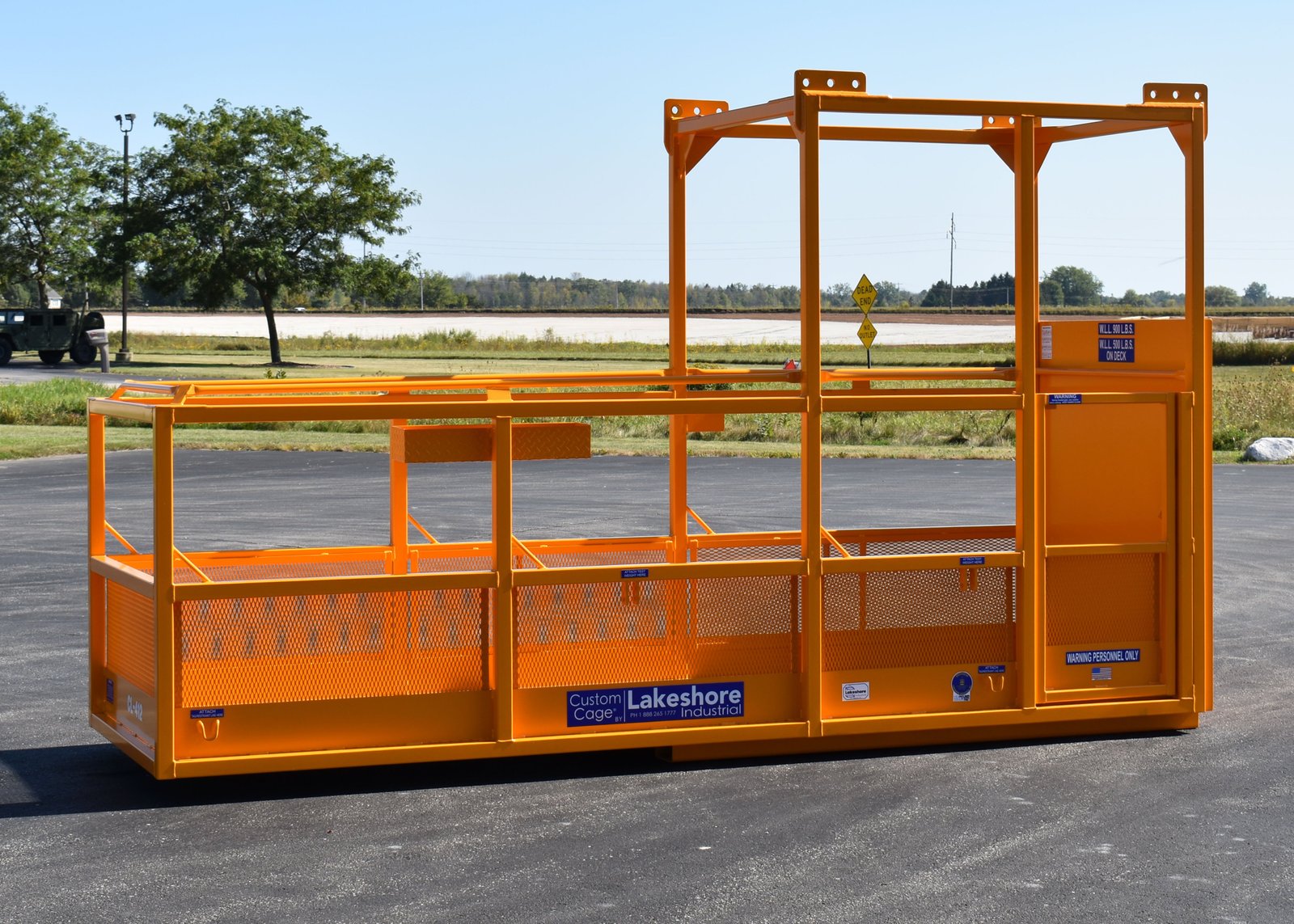
Some operations plan for elevated access as part of daily work. Others encounter it only when overhead equipment needs repair. In facilities like warehouses and manufacturing plants, issues such as failed lighting can create the need for safe access at height. Man baskets, also called personnel lifting baskets, are used in these situations to provide Crane Basket vs. Forklift Platform: Which Is Right for Your Job Site?

How Custom-Engineered Work Platforms Improve Job Site Efficiency

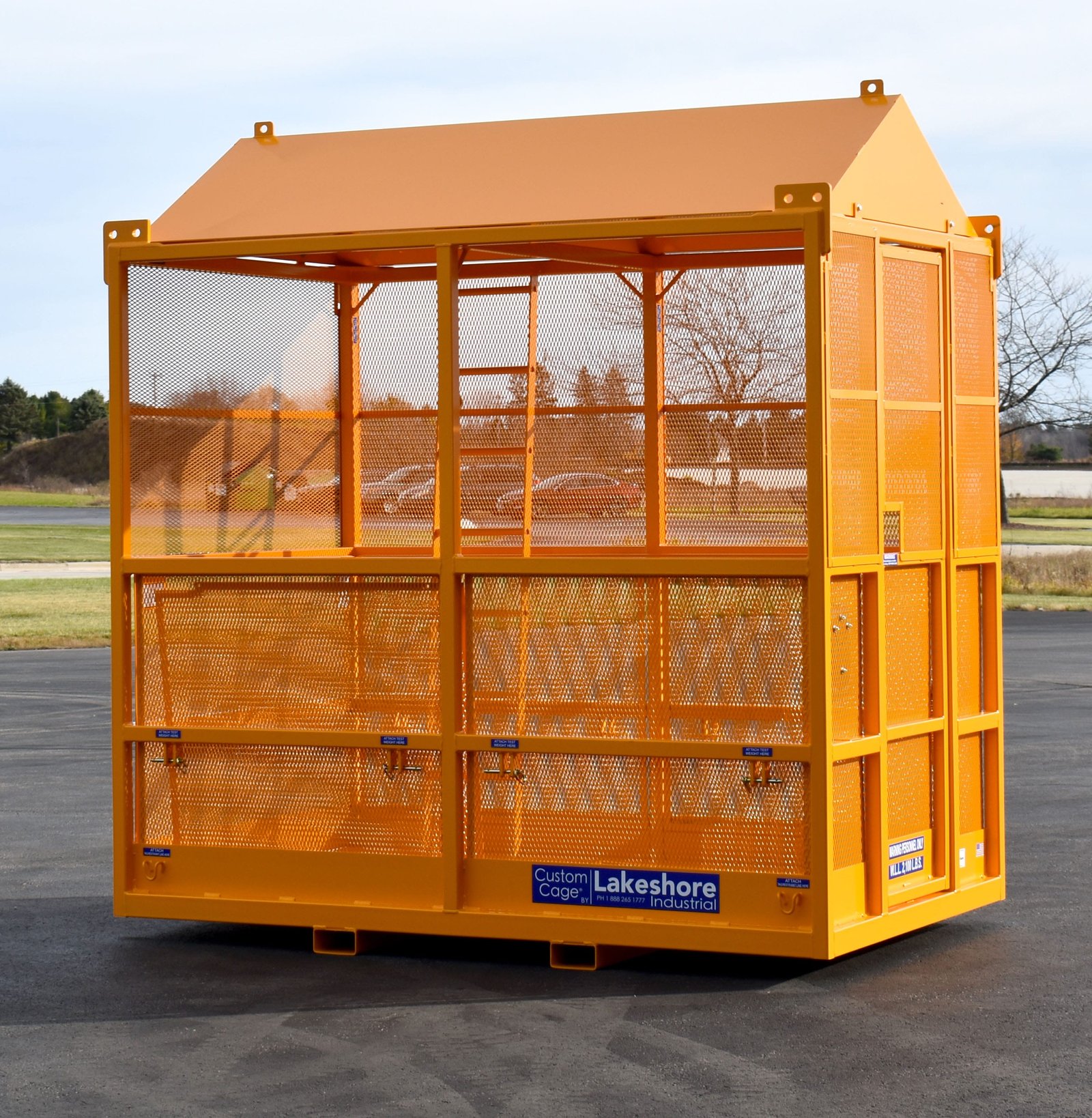
Standard access equipment is used on most job sites because it is familiar and readily available. Ladders, scaffolding, and off-the-shelf industrial work platforms cover a wide range of tasks and work well in many settings. Challenges appear when the work location, layout, or task requirements fall outside those general use cases. Some temporary workarounds may How Custom-Engineered Work Platforms Improve Job Site Efficiency

Understanding Crane Hopper Load Capacity and OSHA Compliance

SD-4000 crane self dumping hopper

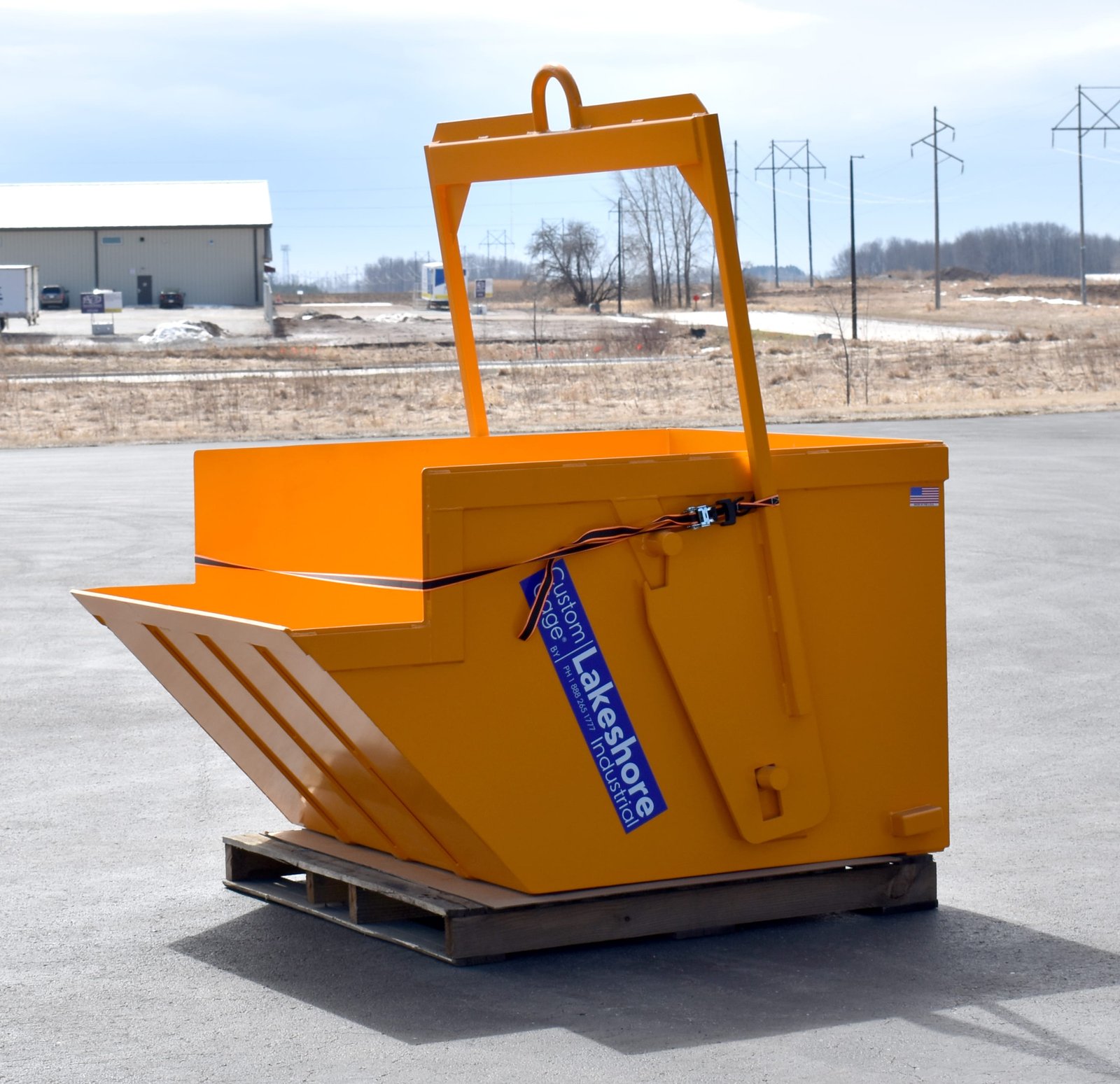
Industrial crane hoppers make material handling faster and more controlled, especially when dealing with heavy or uneven loads. But when these attachments are overloaded, the entire lifting system is put at risk. When industrial hopper load capacity is exceeded or misjudged, structural stress and tipping risks rise sharply. OSHA’s crane safety standards are designed to Understanding Crane Hopper Load Capacity and OSHA Compliance

Reducing Labor Costs With Self-Dumping Crane Hoppers

Crane Hoppers

Labor is one of the highest expenses in manufacturing and construction. Additionally, every unnecessary step in material handling contributes to a project’s cost. Instead of adding more people or machines, many companies are finding value in material handling equipment that makes existing crews more productive.  Self-dumping crane hoppers are one example. They enable teams to Reducing Labor Costs With Self-Dumping Crane Hoppers

The Safety Advantages of Using Self-Dumping Crane Hoppers

construction safety

Material disposal is a routine part of the job, but it’s often where safety breaks down. When bins are lifted improperly or dumped by hand, even a basic cleanup task can lead to serious risk. Manual handling methods often create more liability than efficiency for operations moving high volumes of scrap, debris, or construction waste. The Safety Advantages of Using Self-Dumping Crane Hoppers

How to Choose the Right Crane Hopper Model for Your Operation

SD-4000 crane self dumping hopper

Crane hoppers are crucial for handling bulk materials safely and efficiently. They control how debris, aggregates, and other materials are collected. From handling concrete or scrap to managing controlled pours, the right model ensures smooth loading and discharge with minimal downtime. Because cranes and loads vary, no single hopper design fits every requirement. Choosing a How to Choose the Right Crane Hopper Model for Your Operation

How Crane Hoppers Improve Material Dumping Efficiency Tenfold

construction dumping

If you manage crews or oversee material flow on an industrial site, you know how much time and labor go into moving waste and debris.  Traditional crane dumping, which involves rigging four chains to a skip bin, landing it, unhooking, dumping, and re-rigging, can stall progress fast. Each load demands several personnel and more time How Crane Hoppers Improve Material Dumping Efficiency Tenfold

Best Practices for Self Dumping Bins on Industrial Job Sites

SD-4000 crane self dumping hopper

Self dumping bins or crane hoppers are an essential tool in many industrial settings, from demolition and construction to manufacturing and warehousing. They provide a controlled method for moving and discharging bulk materials with the support of overhead cranes, reducing manual handling risks while increasing job site efficiency.  Yet, as with all below-the-hook lifting devices, Best Practices for Self Dumping Bins on Industrial Job Sites

Durability in Action: Why Lakeshore Crane Hoppers Outlast the Competition

Self dumping bins

In material handling, equipment is pushed to its limits every day. Crane hoppers absorb constant vibration, heavy impacts, and exposure to harsh weather. Without a strong build, that wear adds up quickly and shortens service life. For site managers and operations leaders, a failing hopper is more than an inconvenience. It creates safety risks, drives Durability in Action: Why Lakeshore Crane Hoppers Outlast the Competition

Crane Hoppers vs. Skip Pans: Which Is Better for Your Job Site?

Crane Hoppers vs. Skip Pans

On any active job site, materials must be lifted and cleared on schedule. Concrete needs to be poured, and debris must be managed before it piles up and creates hazards. Heavy waste also has to be removed so crews can keep working safely. When the wrong equipment is used for these tasks, delays follow. Crews Crane Hoppers vs. Skip Pans: Which Is Better for Your Job Site?

Lakeshore Industrial, LLC Copyright 2026, All Rights Reserved.